Welcome to Jiangsu Lichao New Material Technology Co., Ltd.





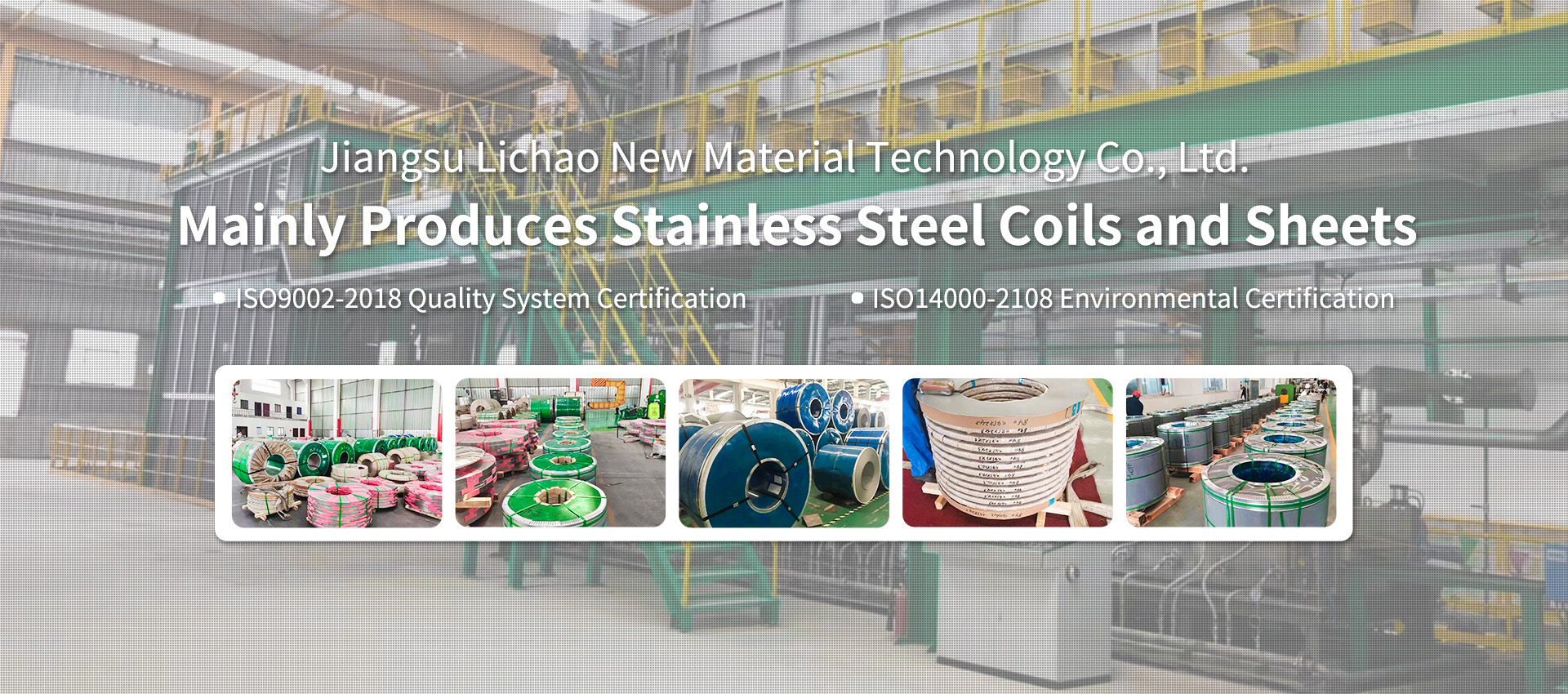


Intimate service comes from the recognition of customers, and proposes high-quality product matching solutions according to customer needs
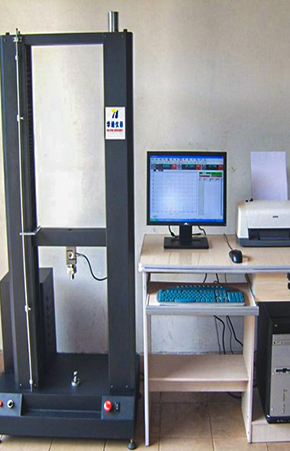
Product quality comes from rigorous and perfect quality control, and every step is full of our strict sense of responsibility

Exclusive customization comes from personalized configuration solutions, timely and efficient supporting new product development and production

Fast distribution originates from sufficient inventory + processing + fast logistics, and upholds enthusiastic and efficient management
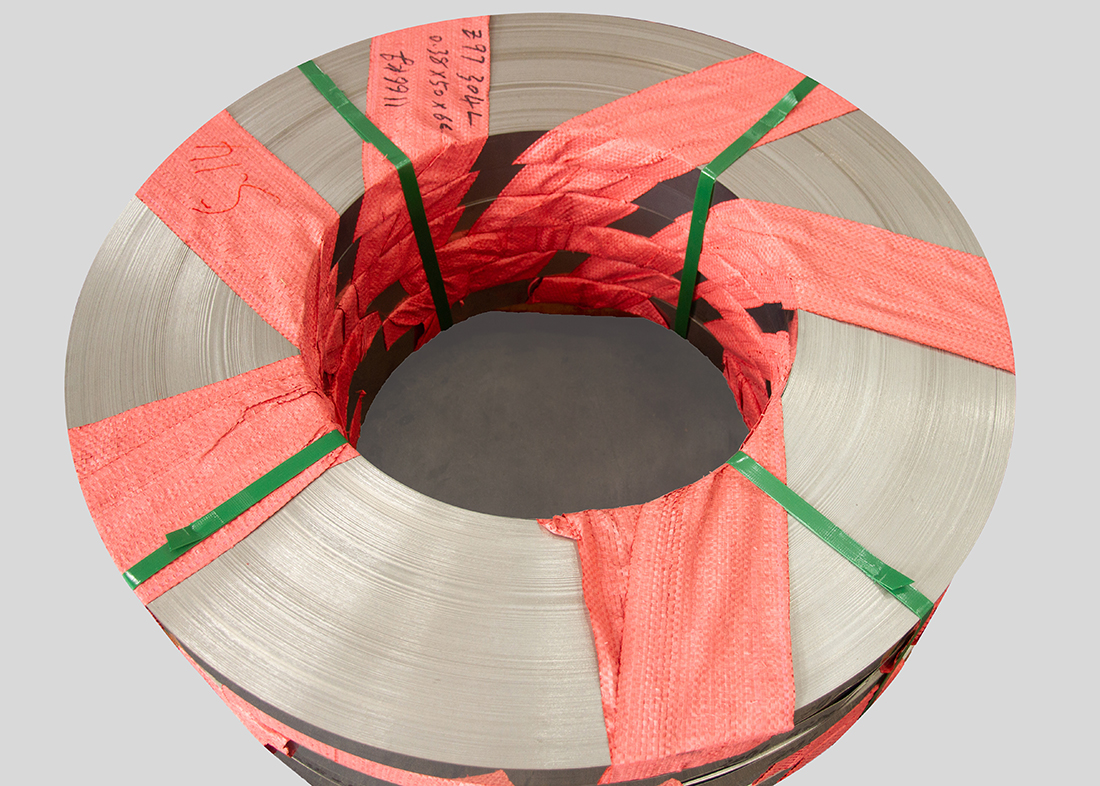
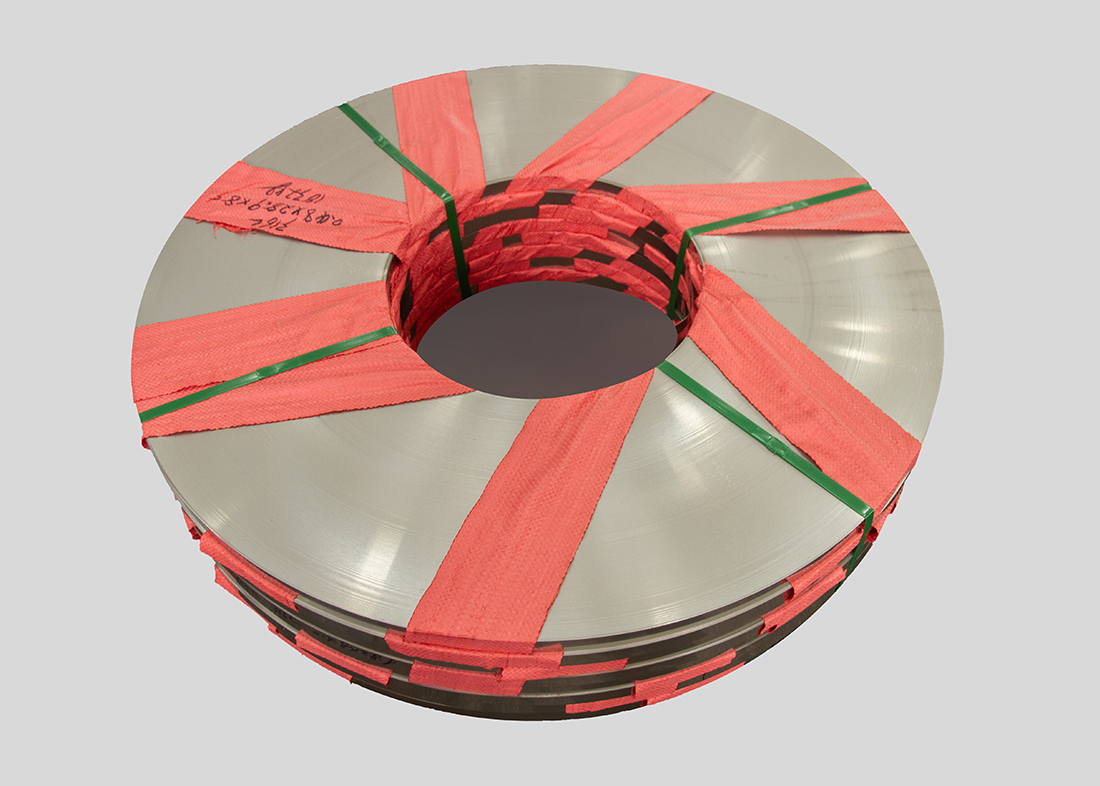
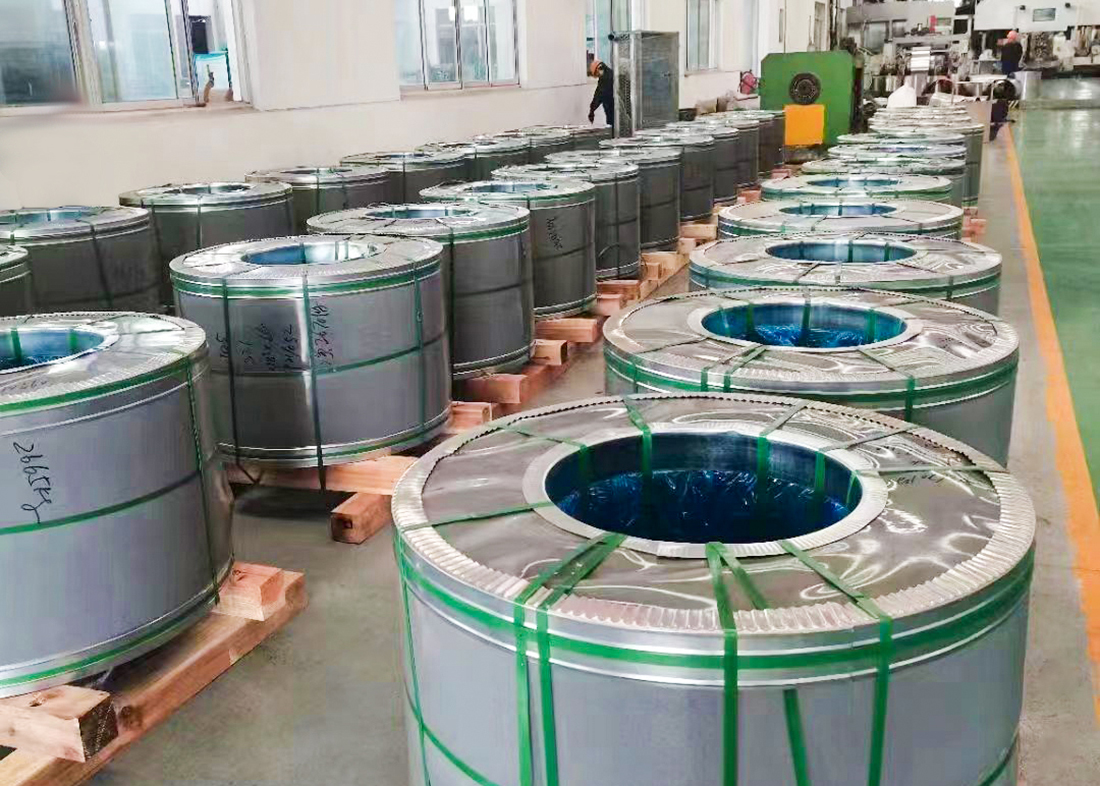
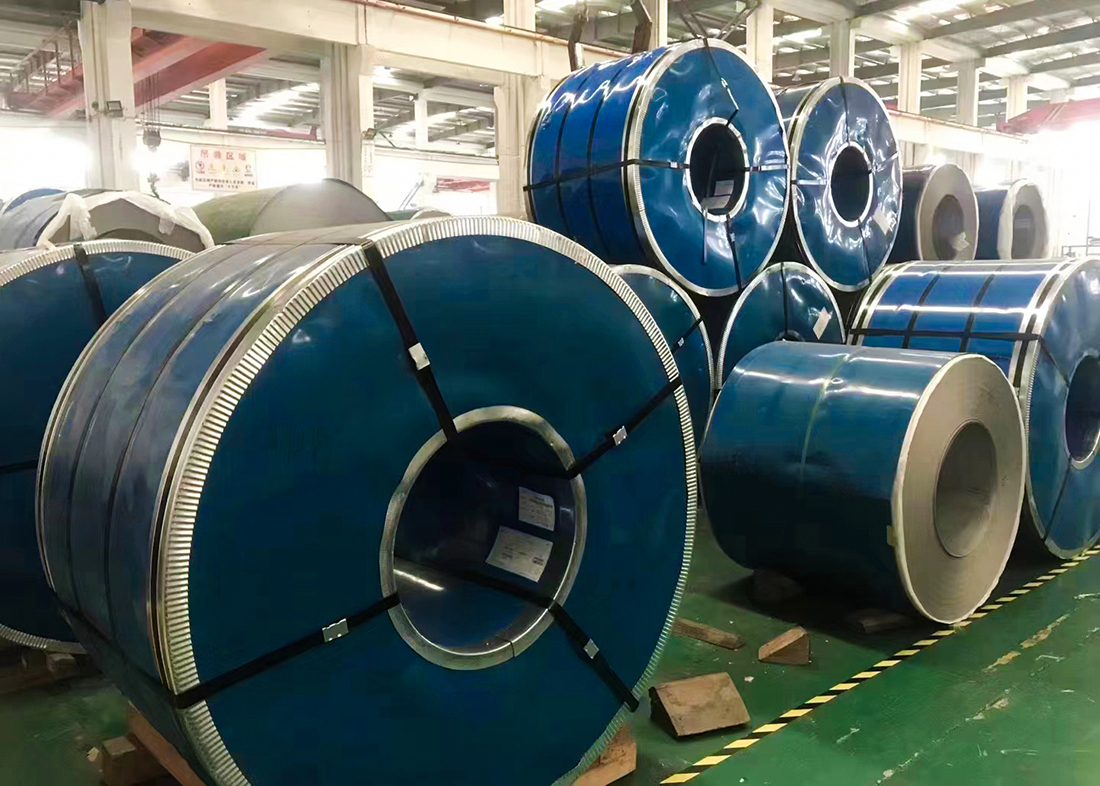
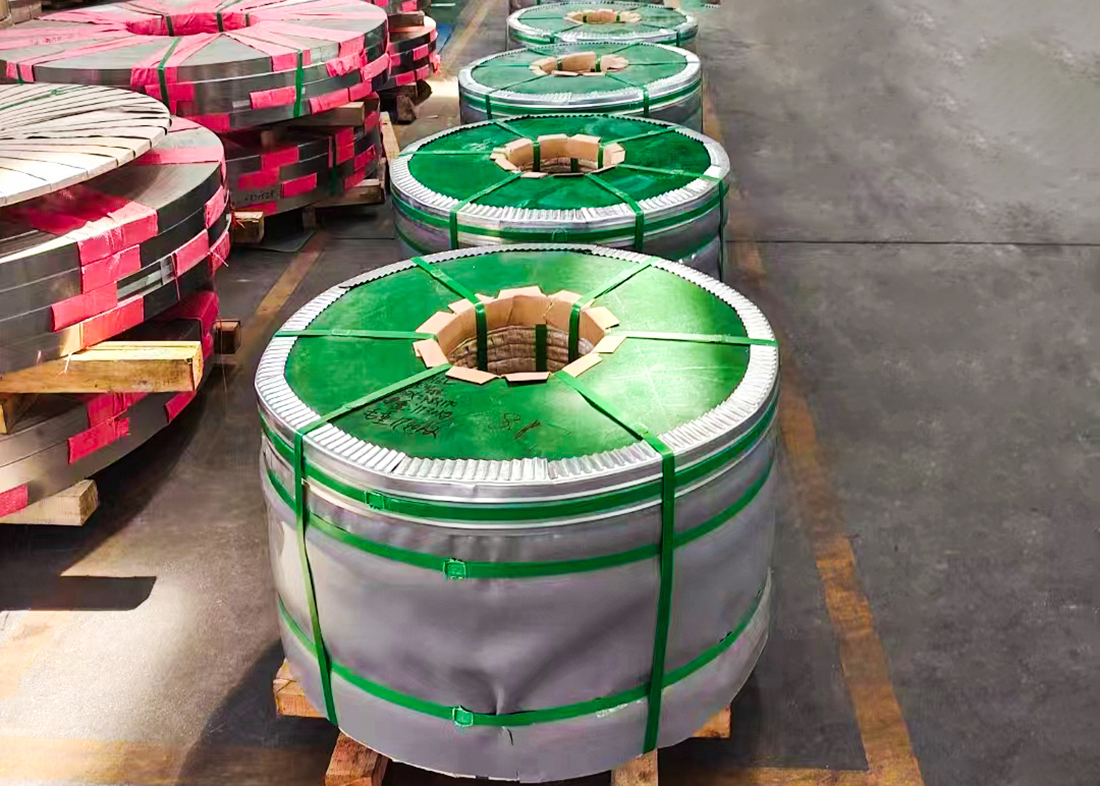

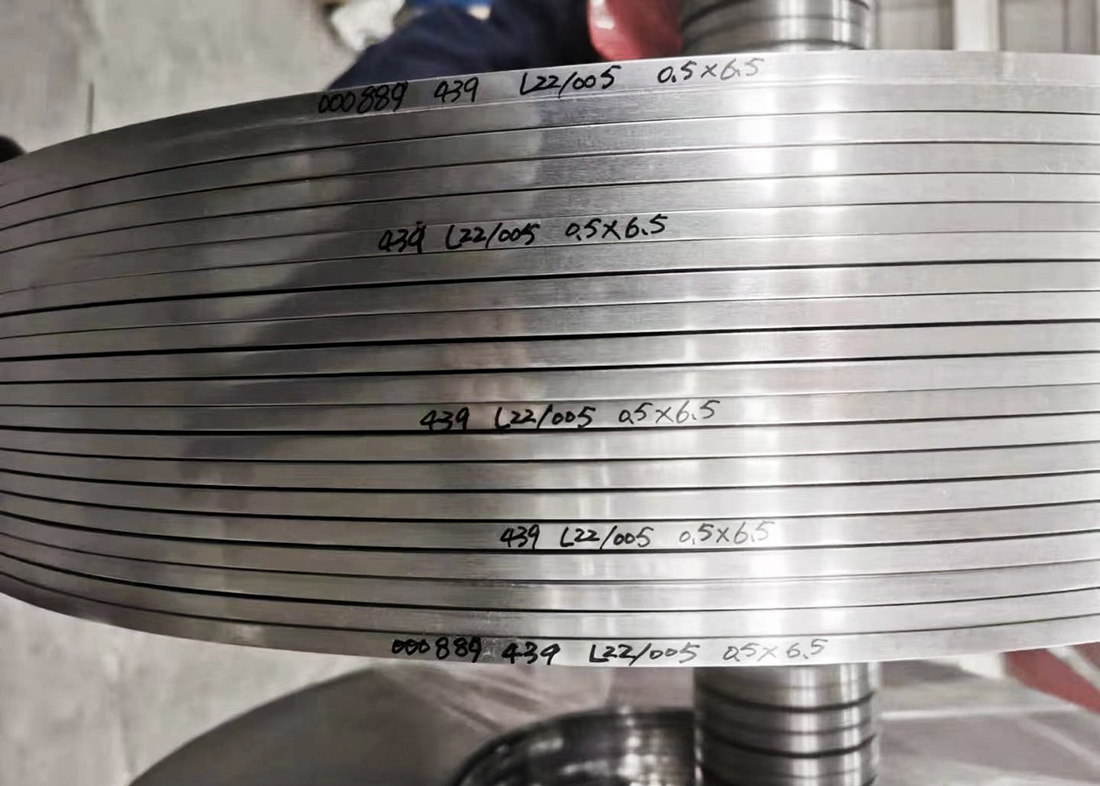
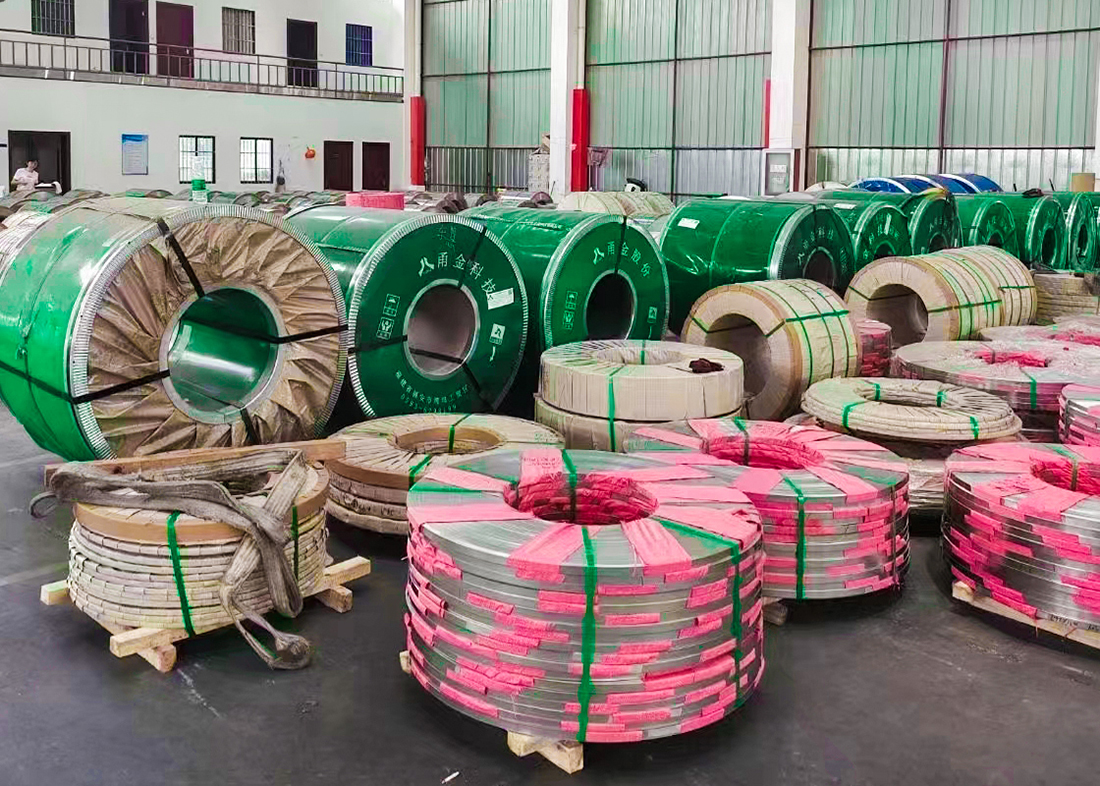
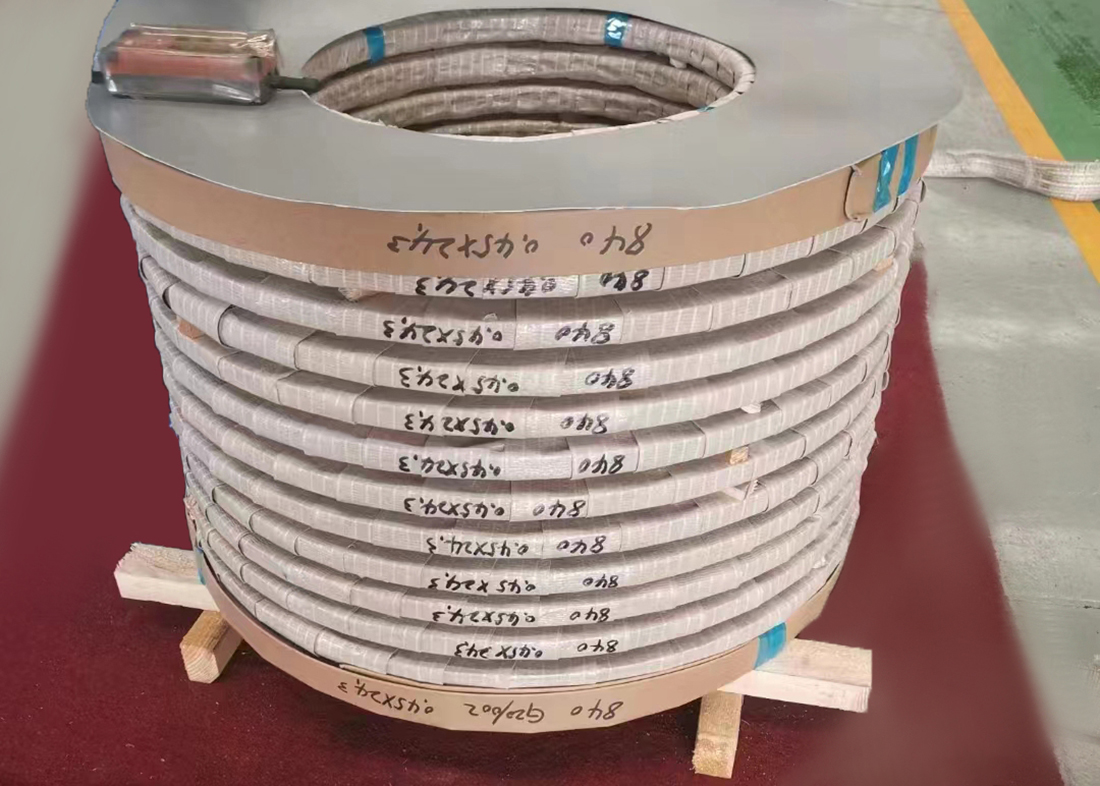







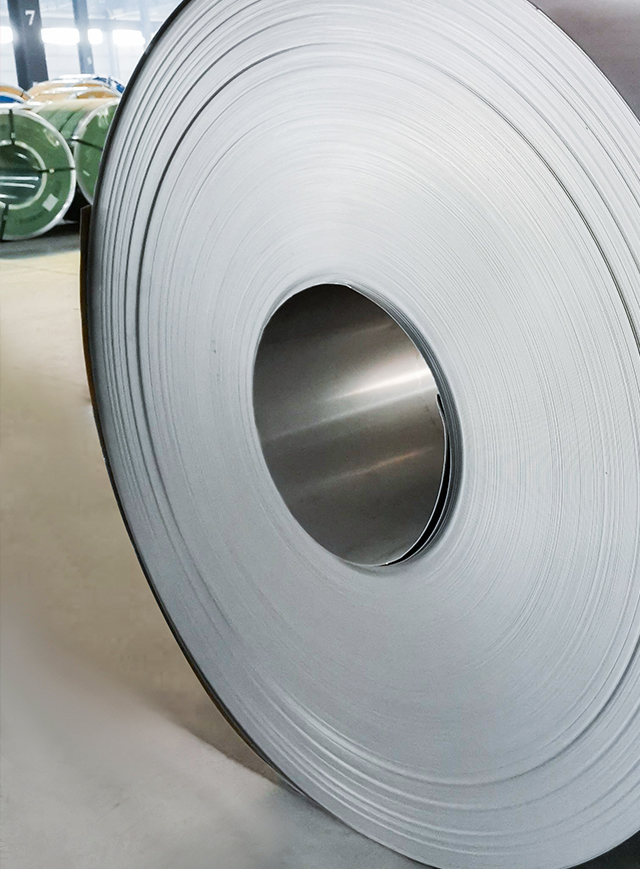
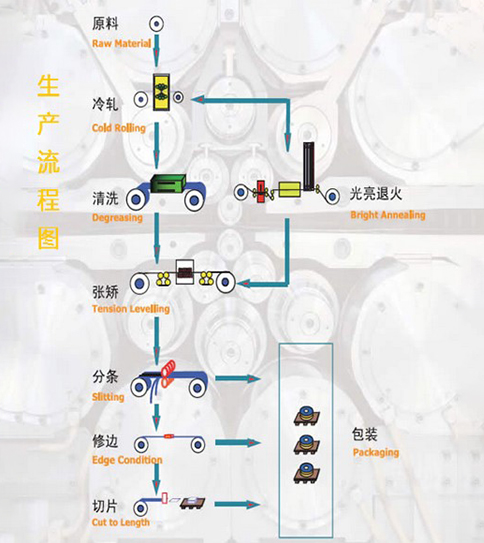
From raw material detection to warehousing registration management, to ensure the overall quality of products
From surface treatment to standard comparison
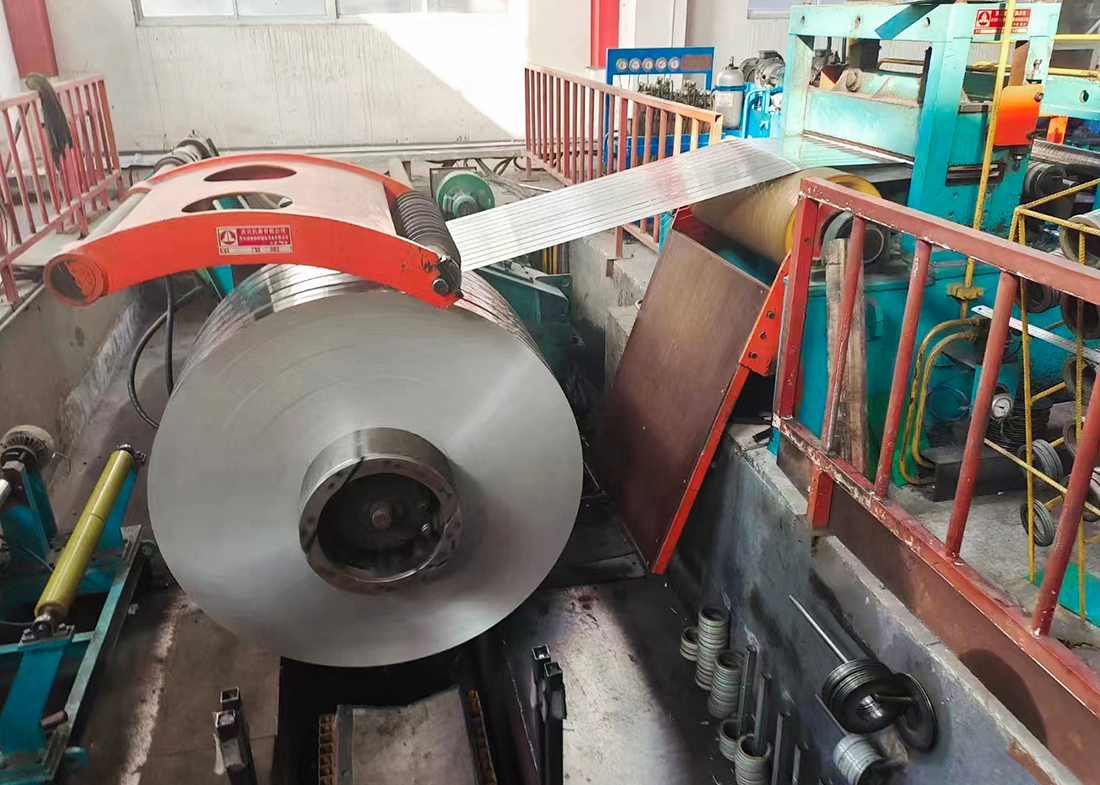
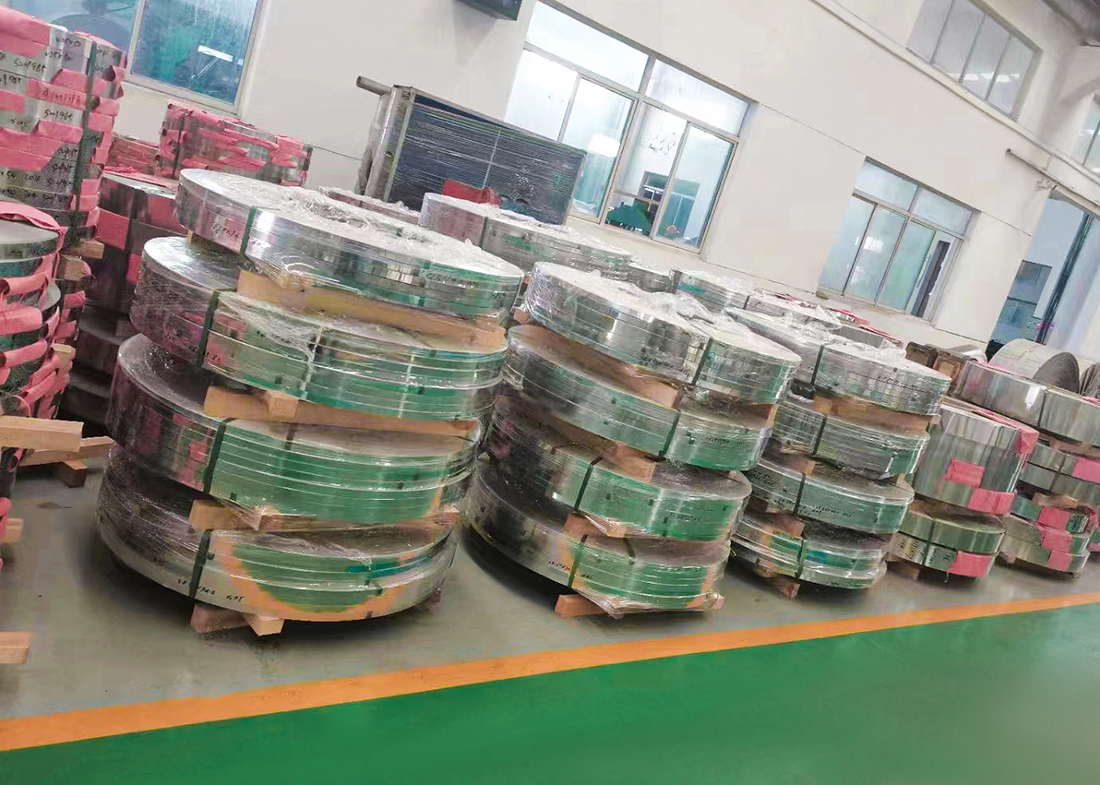
From material cutting and processing control to re-inspection, packaging and delivery
Every step is full of our strict sense of responsibility
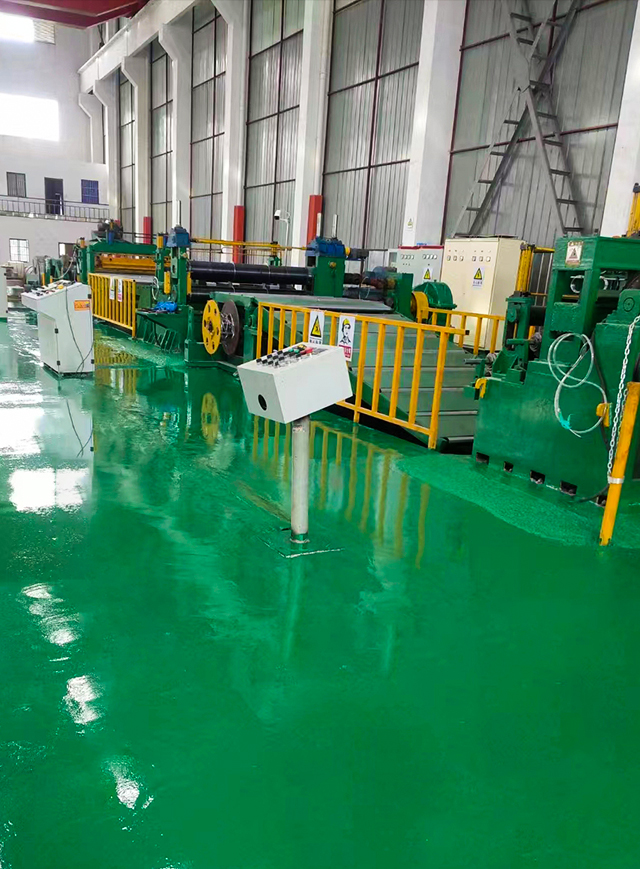
Special material stainless steel is mainly produced with a thickness of 0.02mm-3.1mm and a width of 1mm-1500mm
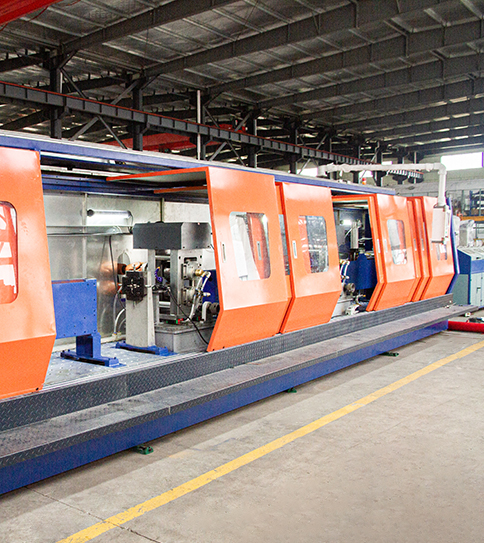
Relying on the company's domestic and foreign processing equipment and logistics network throughout the country
From customer orders to fit stock screening
Then to processing, production, re-inspection and distribution

Our R&D team has established good cooperative relations with domestic and foreign steel mills
Timely and efficient cooperation with customers for product development
Combined with a Japanese-funded continuous electroplating factory, we have successfully launched gold-plated, silver-plated, nickel-plated and other electroplating products.
Products have broad market prospects and development potential

The engineering equipment industry covers multiple sub sectors such as chemical engineering, energy, construction engineering, and rail transit. Stainless steel coils, with their characteristics of corrosion resistance, high strength, and easy processing, can be processed into various structural components, containers, accessories, etc., suitable for complex working conditions of different enginee
The cold processing technology of stainless steel strip refers to a series of processing procedures that change the size, shape, and mechanical properties (such as strength, hardness, toughness) of stainless steel strip through plastic processing methods such as rolling, stamping, bending, and stretching at room temperature or below the metal recrystallization temperature (usually ≤ 450 ℃), withou
The mixing equipment uses stainless steel coils, with the core of utilizing their corrosion resistance, ease of processing, and hygiene grade characteristics to adapt to the working conditions of material mixing and ensure equipment stability. Core usage reasons 1. Corrosion resistance and adaptability to various materials: Stainless steel coils (commonly made of 304 and 316L materials) can resi
The core of the corrosion resistance performance of stainless steel coils is the formation of a dense and stable passivation film on the surface, which, combined with alloy composition optimization and production process support, fundamentally blocks the contact between the corrosive medium and the substrate. The specific implementation logic is as follows:
The precision control of stainless steel strip is a full process management process that runs from raw materials to finished products, with the core being the control of rolling process and finishing treatment.
This question focuses on the application scenarios of high-strength stainless steel coils, capturing the value point of their "high-strength" core characteristics. The core advantage of high-strength stainless steel coils is that they not only possess basic properties such as corrosion resistance and high temperature resistance, but also have higher tensile strength and fatigue resistance. They ar

Stainless steel coils are widely used in various equipment manufacturing, pipeline systems, container lining and other scenarios in the chemical industry due to their excellent corrosion resistance, high temperature resistance, strength and processability. They are the core material for dealing with complex media (such as acids, alkalis, salts, organic solvents, etc.) and harsh working conditions
1. Different production processes Stainless steel hot rolling is rolled above the recrystallization temperature of the metal material, and stainless steel cold rolling is rolled below the recrystallization temperature of the metal material, and each metal material has its own recrystallization temperature. crystallization temperature.
The engineering equipment industry covers multiple sub sectors such as chemical engineering, energy, construction engineering, and rail transit. Stainless steel coils, with their characteristics of corrosion resistance, high strength, and easy processing, can be processed into various structural components, containers, accessories, etc., suitable for complex working conditions of different enginee
The cold processing technology of stainless steel strip refers to a series of processing procedures that change the size, shape, and mechanical properties (such as strength, hardness, toughness) of stainless steel strip through plastic processing methods such as rolling, stamping, bending, and stretching at room temperature or below the metal recrystallization temperature (usually ≤ 450 ℃), withou
The mixing equipment uses stainless steel coils, with the core of utilizing their corrosion resistance, ease of processing, and hygiene grade characteristics to adapt to the working conditions of material mixing and ensure equipment stability. Core usage reasons 1. Corrosion resistance and adaptability to various materials: Stainless steel coils (commonly made of 304 and 316L materials) can resi
The core of the corrosion resistance performance of stainless steel coils is the formation of a dense and stable passivation film on the surface, which, combined with alloy composition optimization and production process support, fundamentally blocks the contact between the corrosive medium and the substrate. The specific implementation logic is as follows:
The precision control of stainless steel strip is a full process management process that runs from raw materials to finished products, with the core being the control of rolling process and finishing treatment.
This question focuses on the application scenarios of high-strength stainless steel coils, capturing the value point of their "high-strength" core characteristics. The core advantage of high-strength stainless steel coils is that they not only possess basic properties such as corrosion resistance and high temperature resistance, but also have higher tensile strength and fatigue resistance. They ar
 Jiangsu Lichao New Material Technology Co., Ltd.
 WeChat ID:m.80xycq.com

 Add WeChat
 Contact us
 The phone